
The Ultimate Guide to ChatGPT Ads

Last Updated on: 28th January 2026, 01:17 pm
The Ultimate Guide to ChatGPT Ads
The main reason Google Search Ads revolutionised advertising when they first appeared in 2000 was intent. You no longer had to advertise through billboards or the radio, intercepting leads when they were doing something else.
Suddenly, you could be right there when they intended to find services like yours – and that’s exactly what ChatGPT Ads will do for advertising in 2026.
ChatGPT Ads are currently in internal testing without a consolidated advertising platform, but I am keeping an eye on the developments. I’ll update this article whenever new information comes out, so make sure you bookmark it.
And now, let’s take a look at what ChatGPT Ads mean today – and how you can prepare for the day you’ll be able to advertise on the platform.
1. How Do ChatGPT Ads Work?
While ChatGPT Ads aren’t yet open to everyone like Google Ads, OpenAI has offered insightful information:
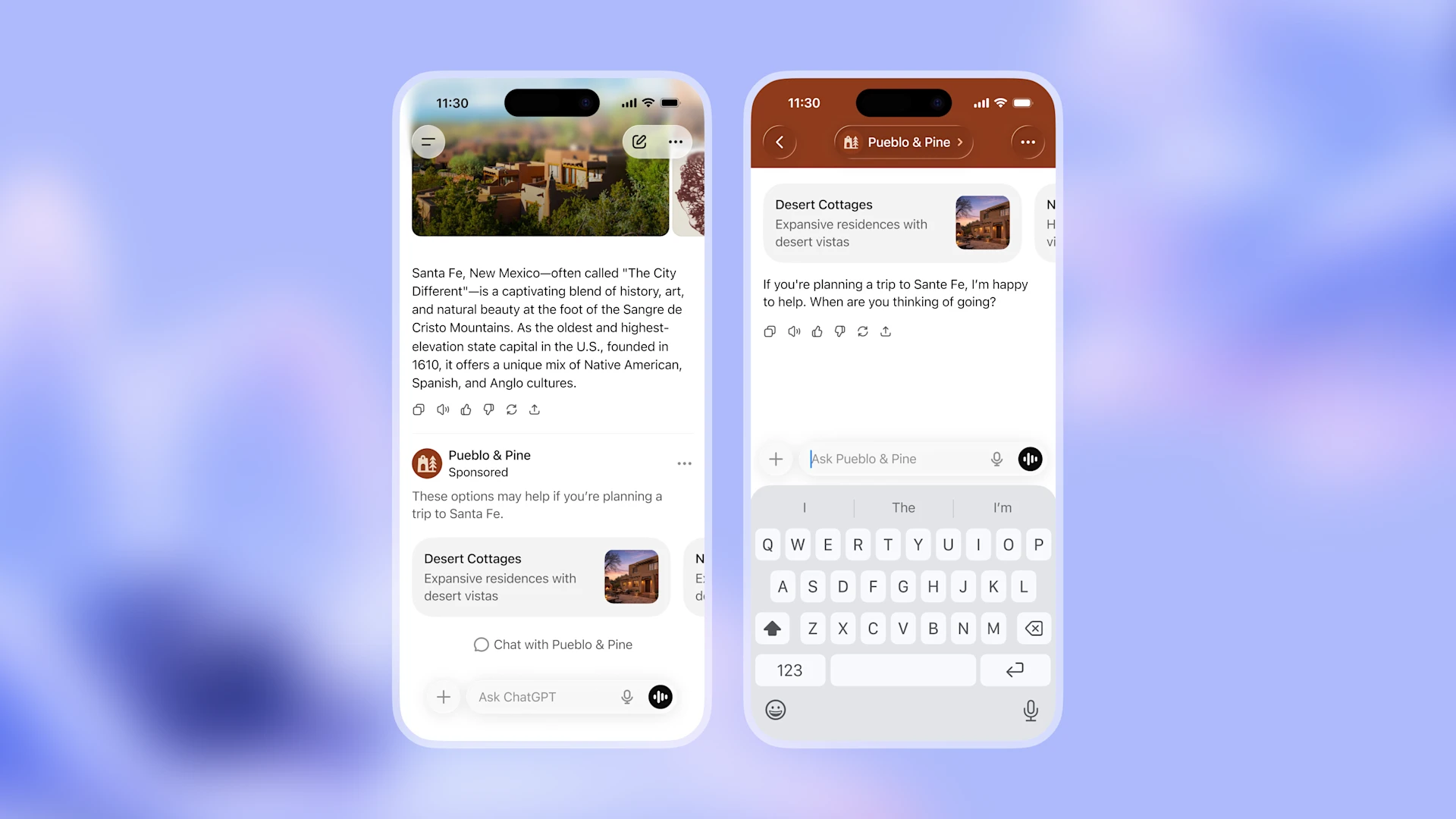
- Ads will appear at the bottom of answers.
- Ads will be clearly labelled and separated from the organic answer.
- Ads will show when there’s a relevant sponsored product or service based on the user’s current conversation.
However, ChatGPT made it clear that ads will not be inserted within the answer or affect the organic answer in any way. They’ll live in a separate box below the answer and appear only when relevant.
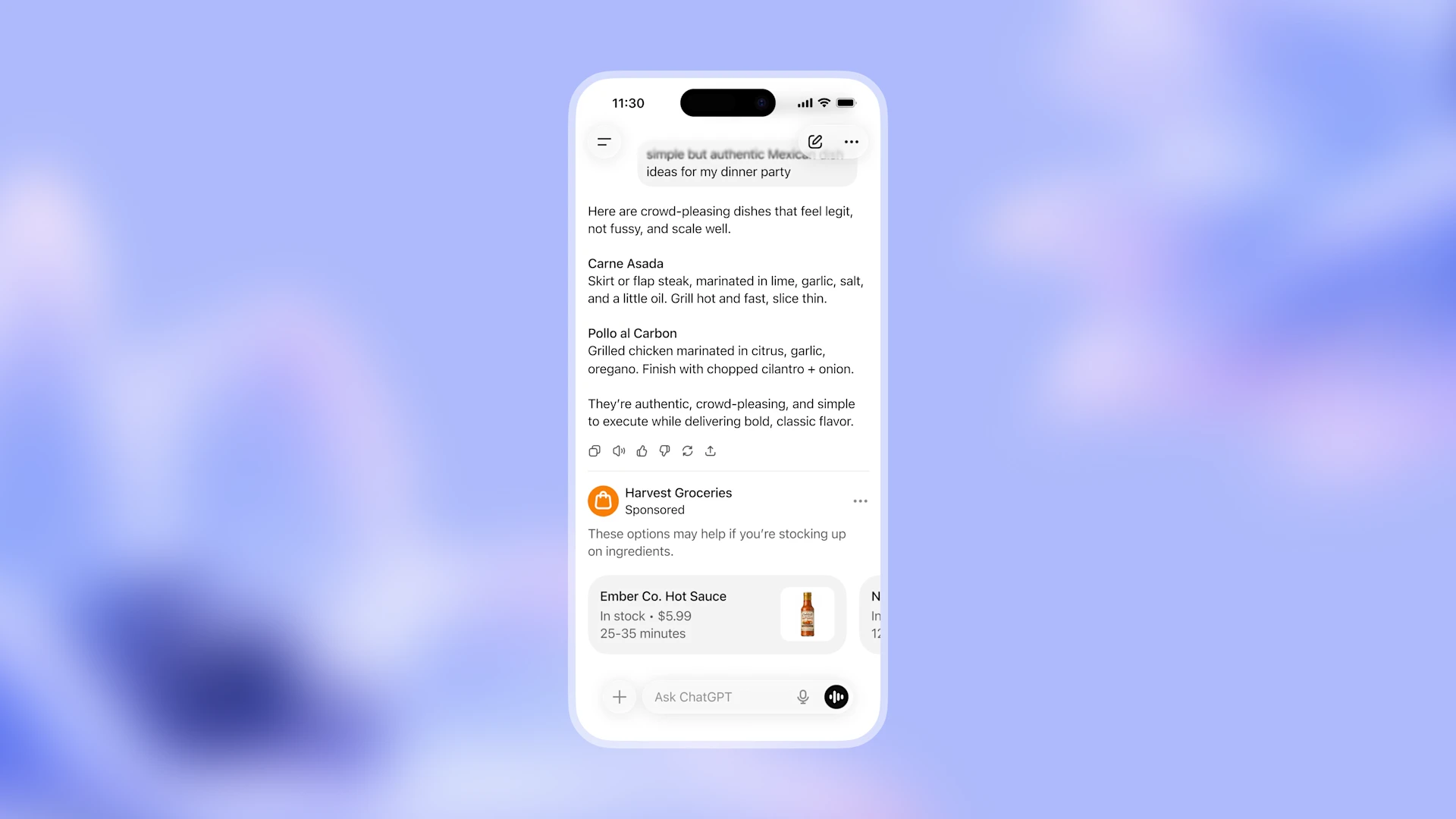
Will ChatGPT Ads Offer Conversation Targeting?
As advertisers, we won’t be able to see what the users spoke about with ChatGPT when they triggered our ads, but ads will be placed based on the context of the current conversation.
Additionally, OpenAI stated that ads won’t rely on personal profiles, nor will they be displayed based on past behaviour. It’s purely contextual advertising, and you can think of it as a more powerful version of Google Search.
For example, if a user asks, “What’s the best accounting software for a small construction business?” they could see an ad related to accounting tools.
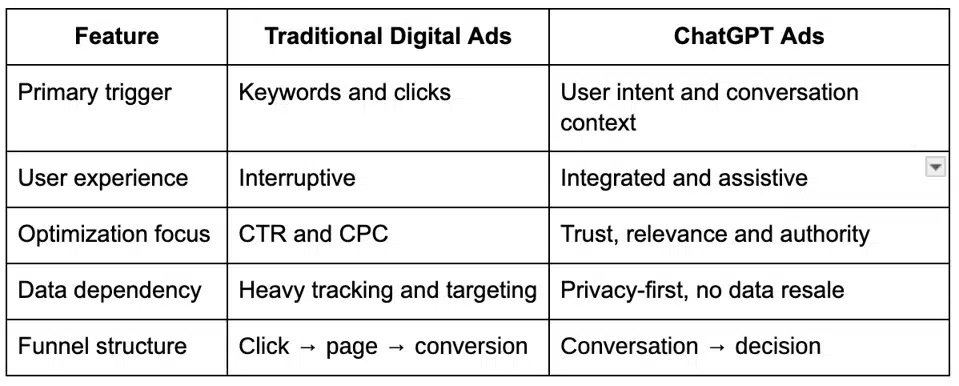
This is what I mean when I say we are in for another advertising revolution.
Compared to digital ads, ChatGPT Ads (and any future answer engine ads) are more sensitive to user intent and context.
The user is literally talking to the bot about their specific needs, instead of using keywords to describe what they struggle with.
2. How Much Do ChatGPT Ads Cost?
ChatGPT Ads reportedly cost around $60 per 1,000 views.
Personally, I expect the pricing to become more favourable as ChatGPT tweaks its platform further for ad revenue and opens the doors to more businesses.
3. Tracking ChatGPT Ads: Are They Worth It?
Early advertisers won’t get as much data as we get from Google Ads and Meta. Instead, there will only be total ad views and total ad clicks.
This isn’t ideal, but keep in mind that it’s still a new platform that relies on users’ trust. They’ll need to walk a fine line between satisfying our need to know what’s affecting conversions and users’ need for privacy.
4. How to Start Preparing for ChatGPT Ads Now
You can’t set up ChatGPT Ads yet, but you can absolutely prepare for them!
Keep Building Your Authority
The way answer engines like ChatGPT are currently set up rewards credibility.
This is very similar to how things have worked with SEO, but with more personalisation.
In SEO, it used to be enough to answer queries like “best running shoes under $50.”
But people go into greater detail with ChatGPT: “What are the best running shoes in my town, where it’s usually cold, and I also have knee issues? My budget is $50,” and expect suggestions tailored to their situation.
Your marketing content should reflect these highly-specific situations.
ChatGPT will amplify your authority, especially if you are mentioned in organic answers, as well – not just displayed as part of paid ads.
Prepare for Dialogue-Style Copy
Users will still be in the mindset of their conversation with ChatGPT when they see your ad – you don’t want to pull them out of it and break their flow.
Instead, start mapping:
- Customer questions
- Objections
- Comparisons
- “What’s the difference between X and Y?” moments
When the time comes, you’ll have ad copy that sounds like a natural extension of the conversation they’ve been having with ChatGPT. And, depending on OpenAI’s next steps, you might even be able to make your ads speak with your potential customers!
The Ad Funnel Has Changed
The classic ad funnel, when Google was the main place we went to for answers, had three steps:
Click → Landing Page → Conversion
Now, with ChatGPT, we are seeing conversational commerce:
- Answers replace pages
- Comparisons replace clicks
- Trust replaces repetition
This doesn’t just apply to ChatGPT Ads.
If you want to appear in the conversations organically (and I recommend this!), keep this in mind. Focus on structured product data, documentation, and content that answers your leads’ hyper-specific questions.
Expand Your ROI Tracking
I will forever advocate for a clear path from ad to conversion, but in the ChatGPT Ads era, some information won’t be available to us yet – and other won’t tell the full story.
I’m increasingly encouraging my clients to start regularly looking at the following indicators:
- Lead quality
- Brand mentions in AI conversations
- Improvements to sales cycle velocity
- Customer confidence at the point of contact
For example, perhaps you get fewer leads, but they have fewer objections when they reach out and make the purchasing decision faster. This doesn’t mean there’s an issue. On the contrary, it means fewer low-quality leads wasting your budget (and time).
The Future with ChatGPT Ads
… is still to be determined, but all the information so far points to us becoming able to advertise on a platform with 700 million weekly active users.
And considering that ChatGPT now captures the full context of your leads’ needs, you’ll be getting the opportunity to finally showcase why you’re the perfect solution in their unique situation.
Stay tuned as I expand this article with more information and first data from my tests!
